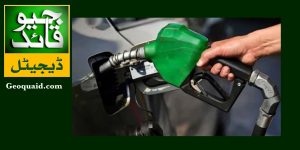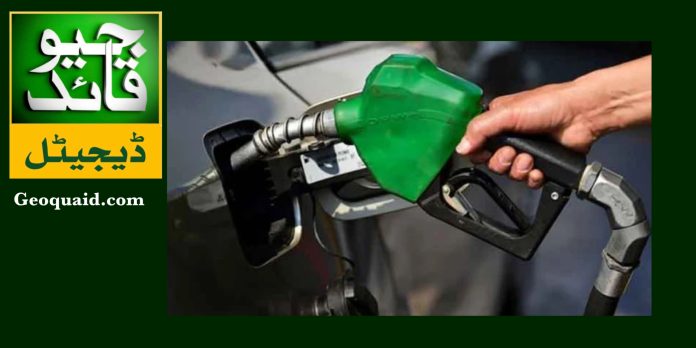
Petrol prices in Pakistan have increased sharply this week, creating concern among citizens and businesses. The government announced a significant hike due to rising global oil prices and ongoing economic pressure. This increase is expected to raise transportation costs, which will ultimately lead to higher prices of essential goods.
Experts believe that the decision may further increase inflation in the country. For overseas Pakistanis and global observers, this situation highlights the economic challenges Pakistan is currently facing. The rising fuel cost may also impact industrial production and slow down economic growth in the coming months.
پاکستان میں پیٹرولیم مصنوعات کی قیمتوں میں ایک بار پھر بڑا اضافہ کر دیا گیا ہے، جس کے بعد عوام پر مہنگائی کا مزید بوجھ پڑ گیا ہے۔ حکومتی اعلامیے کے مطابق پیٹرول کی قیمت میں نمایاں اضافہ عالمی مارکیٹ میں خام تیل کی قیمتوں میں اضافے کے باعث کیا گیا۔
ماہرین کا کہنا ہے کہ پیٹرول کی قیمتوں میں اضافے سے نہ صرف ٹرانسپورٹ بلکہ اشیائے ضروریہ کی قیمتیں بھی بڑھ جائیں گی، جس سے مہنگائی کی شرح میں مزید اضافہ متوقع ہے۔ عوامی حلقوں کی جانب سے اس فیصلے پر شدید ردعمل سامنے آ رہا ہے جبکہ کاروباری طبقہ بھی مشکلات کا شکار ہو سکتا ہے
Why This Matters Globally
Pakistan’s rising fuel prices are not just a local issue—they reflect a broader economic challenge. As a developing country, Pakistan heavily depends on imported oil, making it vulnerable to global price fluctuations.
For international observers, this situation signals potential economic instability in South Asia. If inflation continues to rise, it could impact foreign investment, currency stability, and overall economic growth. Overseas Pakistanis may also feel the pressure as the cost of living for their families back home increases.